


Download The App
The CGE Golf App helps ensure you never miss a tee-off time or hotel check-in, giving you a seamless and smooth golf experience so you stay focused on your game!



Golf in Asia has experienced remarkable growth over the past two decades, with world-class courses, diverse landscapes, and increasingly sophisticated resort experiences attracting players from across the globe. From coastal links-style layouts in Vietnam to mountain-framed courses in Japan, Asia offers an incredible variety of golfing environments. However, one of the most important factors in planning a golf trip to the region is timing.
Climate patterns across Asia can vary dramatically, with monsoons, dry seasons, extreme summers, and even winter snow shaping when and where you should play. Understanding the optimal months for each destination—not only for weather but also for course conditions and crowd levels—can significantly enhance your golf experience.
This guide breaks down the best time to play golf in four of Asia’s most popular destinations: China, Vietnam, Thailand, and Japan, with expert insights on weather, course conditions, pricing, and when to book.
 Dongguan Clubhouse - @CGE Golf
China’s sheer size means that you aren’t only dealing with one climate; you’re dealing with three different zones. To get the most out of your green fees, you have to time your visit to the specific province, or you’ll find yourself battling either frozen fairways or 90% humidity.
For the majority of China’s signature courses (including the mountain layouts near Beijing or the lake-side clubs in Kunming), spring and autumn are the undisputed peak seasons, with moderate temperatures, lower humidity and clear skies.
▪️ Spring (March-May): This is the best time for visual aesthetics. Courses across the mainland shake off the winter brown and bloom with greenery. Expect stable temperatures between 15°C and 25°C in many regions.
▪️ Autumn (September-November): My top recommendation for serious players. The air is crisp, the humidity of summer has evaporated, and the fairways are at their firmest, allowing for more roll-out on your drives.
▪️ Northern China (Beijing/ Tianjin): Winters (December–February) are harsh, with freezing temperatures and course closures. Summer (June–August) can be hot and humid.
▪️ Southern & Eastern China (Shanghai/ Shenzhen): June to August is the “Plum Rain” season. While green fees are lower, the frequent downpours and lightning can lead to disrupted rounds. Spring and autumn are ideal.
▪️ Hainan Island (The “Hawaii of the East”): While many think of this as year-round, the “Smart Money” window is from November to March. This is when temperatures are cooler and rainfall is limited. This is when Mission Hills Haikou and the coastal Sanya course offer relief from the mainland’s cold.
👉 If you play Hainan in the summer (June - August), prepare for mid-day heat. We suggest teeing off at dawn (around 6:00 AM) to finish 18 holes before the 2:00 PM tropical humidity peaks.
If your priority is optional course conditioning, aim for the shoulder seasons. However, if you are looking for a winter escape, focus your budget on Hainan Island.
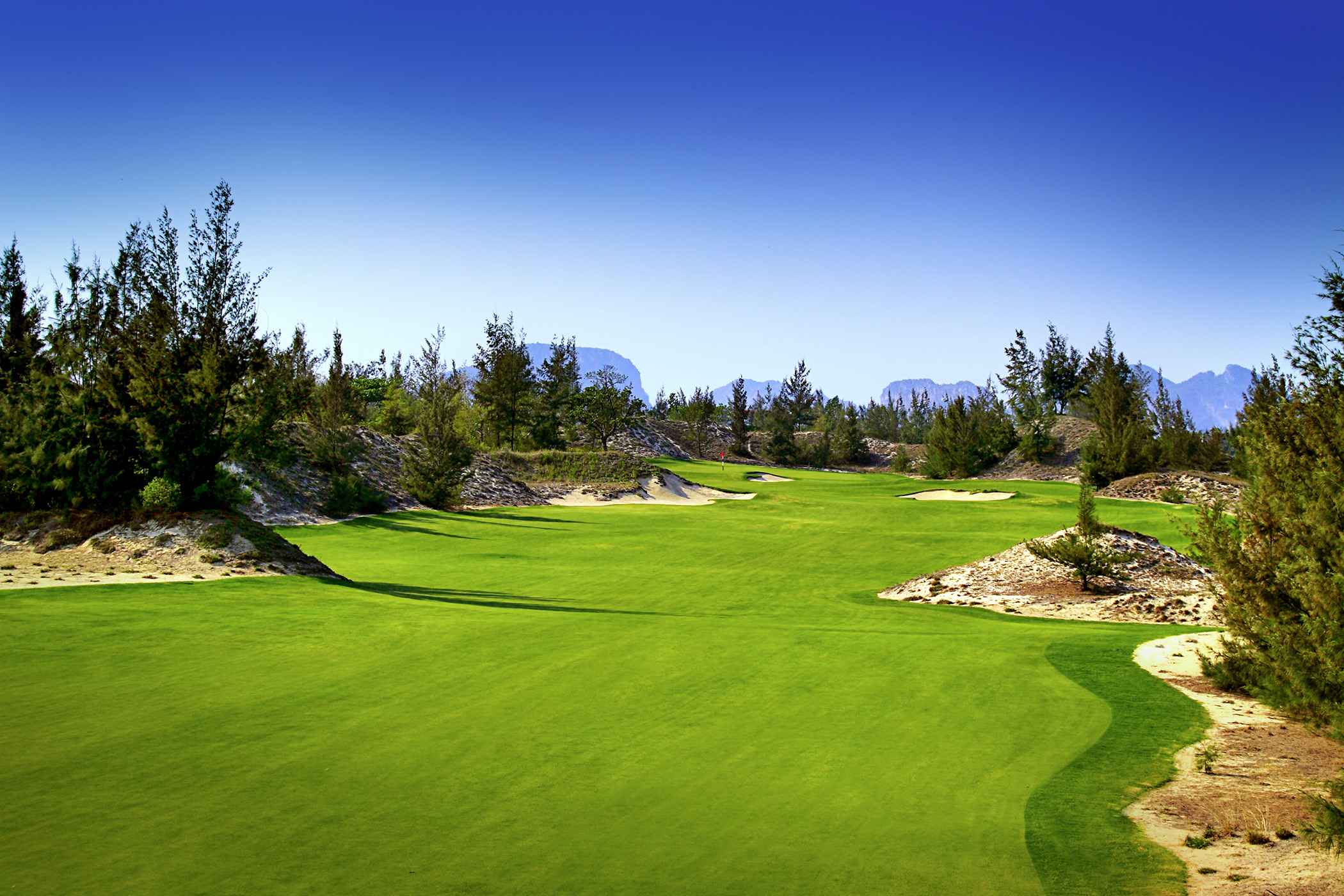 BRG Danang - @CGE Golf
Vietnam has transitioned from an “emerging” market to a global powerhouse, recently crowned as one of Asia’s premier golf destinations, thanks to its stunning coastal courses designed by legends like Greg Norman and Colin Montgomerie. However, because the country spans over 1600 km, playing in the “wrong” region at the “wrong” time can mean the difference between a sunny coastal round and a washout.
Across most of the country, this the “Golden Era” for golf, particularly in the central and southern regions.
▪️ Lower humidity
▪️ Minimal rainfall
▪️ Comfortable temperatures ranging from 20°C to 30°C
Northern Vietnam (Hanoi region)
▪️ Best time: October to April
▪️ Winters can be cool (down to 10–15°C), but still playable.
▪️ Summers (May–September) bring heavy rain and high humidity.
👉 Specialist Insight: Playing in January? Pack a light windbreaker. Temperatures can dip to 15°C, which is actually preferred by many European and North American golfers who find the summer heat too intense.
Central Vietnam (Da Nang, Hoi An, Hue)
▪️ Best time: February to August (with April–August being peak)
▪️ Rainy season hits from September to December with frequent flooding.
👉 2026 Trend: Central Vietnam is currently seeing a massive surge in luxury “Golf & Wellness” packages, combining at Ba Na Hills with post-game recovery spas.
Southern Vietnam (Ho Chi Minh City)
▪️ Best time: December to April (dry season)
▪️ Rainy season (May–November) includes daily downpours but is often short-lived.
👉 Pro-Tip: The “Rainy Season” shouldn’t scare you away from Saigon. Rains are usually heavy but brief afternoon bursts. If you book an early morning tee time, you’ll likely finish your 18th hole just as the first clouds roll in.
Vietnam’s best golfing conditions align with the dry season, but timing varies slightly by region. Central Vietnam’s coastal strip is particularly appealing during spring and early summer.
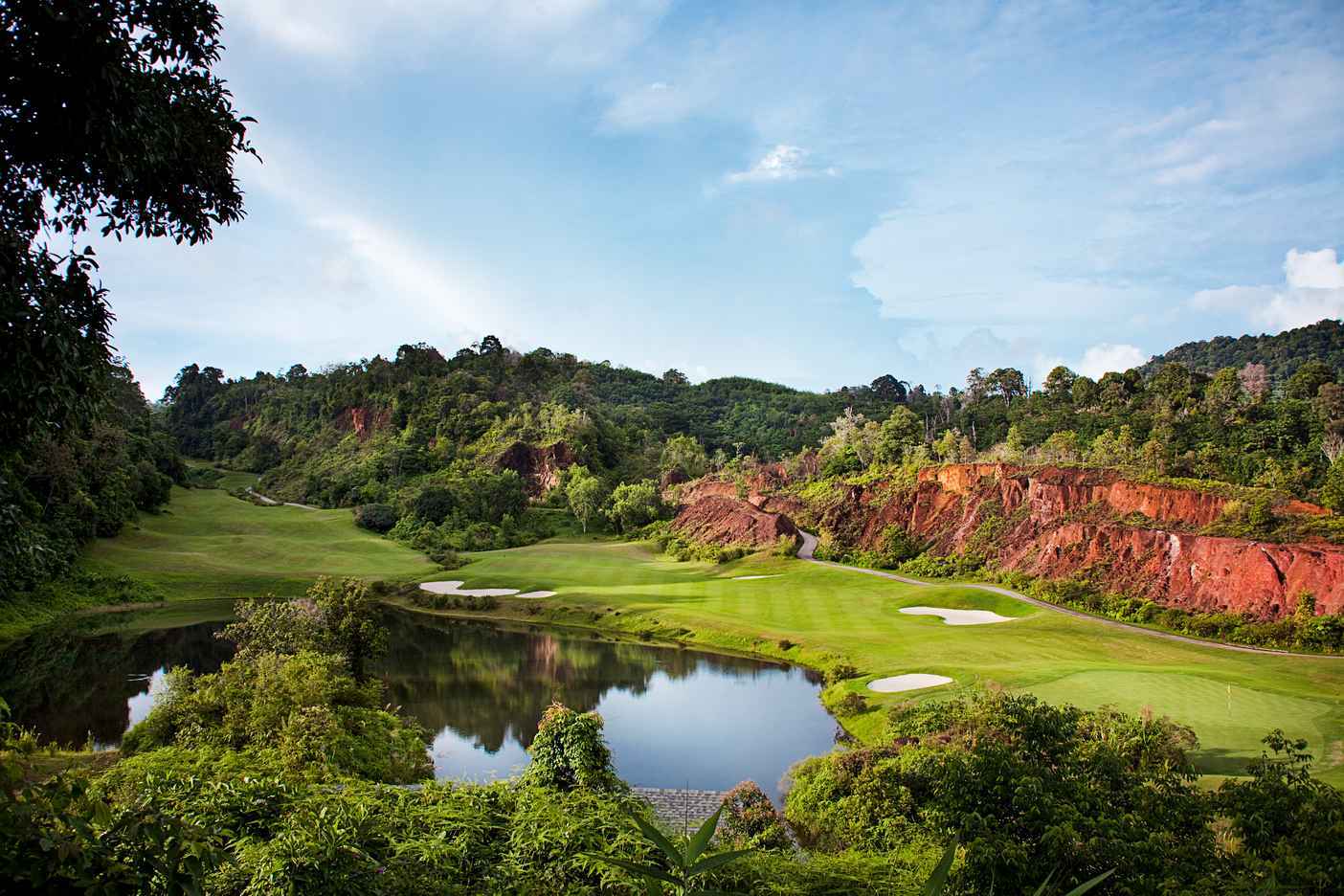 Red Mountain Golf Club in Thailand - @CGE Golf
Thailand remains the powerhouse of Asian golf, boasting over 250 courses and a service standard that is difficult to match anywhere else in the world. While you can play 365 days a year, the “market paradox” of 2026 shows a massive toward premium experience. Knowing when to book can save you thousands in surcharges.
This is widely considered the ultimate time to play. The humidity drops, and the breeze picks up, making 18 holes feel like a stroll rather than a workout.
▪️ Temperatures: 25°C–30°C
▪️ Low humidity
▪️ Little rainfall
▪️ Optimal course conditions
This period also coincides with high tourism demand, so prices are higher and tee times can be limited.
Cool Season (November–February)
▪️ Perfect golfing weather
▪️ Peak season for tourists
Hot Season (March–May)
▪️ Temperatures can exceed 35°C
▪️ Early morning or twilight rounds are recommended
Rainy Season (June–October)
▪️ Frequent but short rain showers
▪️ Courses remain playable, often with fewer crowds and lower prices
Popular Golf Regions
▪️ Bangkok: Excellent year-round with best conditions in cool season
▪️ Phuket: Tropical climate; best from December to March
▪️ Chiang Mai: Cooler climate; ideal November–February
Thailand offers year-round golf, but November to February provides ideal weather. Budget-conscious travellers may prefer the rainy season for fewer crowds and discounted rates.
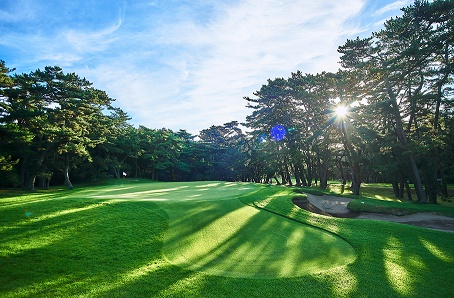 Oarai Golf Club - @CGE Golf
Japan is a true golfer’s paradise, blending meticulous course maintenance with some of the most breathtaking landscapes on earth. However, unlike the tropical consistency of Thailand or Vietnam, Japan’s golf calendar is strictly dictated by its four dramatic seasons. To play here in 2026 is to embrace a unique culture of “slow golf”, including the traditional mid-round lunch break.
These are the most coveted times to book a tee time in Japan. The weather is mild, and the scenery is world-class.
Spring (April–June)
▪️ Cherry blossom season adds scenic beauty
▪️ Mild temperatures (15°C–25°C)
▪️ Ideal for both play and travel
Autumn (September–November)
▪️ Cool, dry weather
▪️ Stunning fall foliage
▪️ Excellent course conditions
Summer (July–August)
▪️ Hot and humid, especially in central regions
▪️ Risk of typhoons, particularly in August and September
Winter (December–March)
▪️ Snow closes courses in northern regions like Hokkaido
▪️ Southern areas (Kyushu, Okinawa) remain playable
▪️ Hokkaido: Best from May to September due to long daylight hours and cooler temperatures
▪️ Tokyo area: Spring and autumn are ideal
▪️ Okinawa: Year-round golf with best weather from October to April
Japan’s spring and autumn are unbeatable for golf, combining great weather with breathtaking scenery. Regional differences mean some areas offer extended playing seasons.
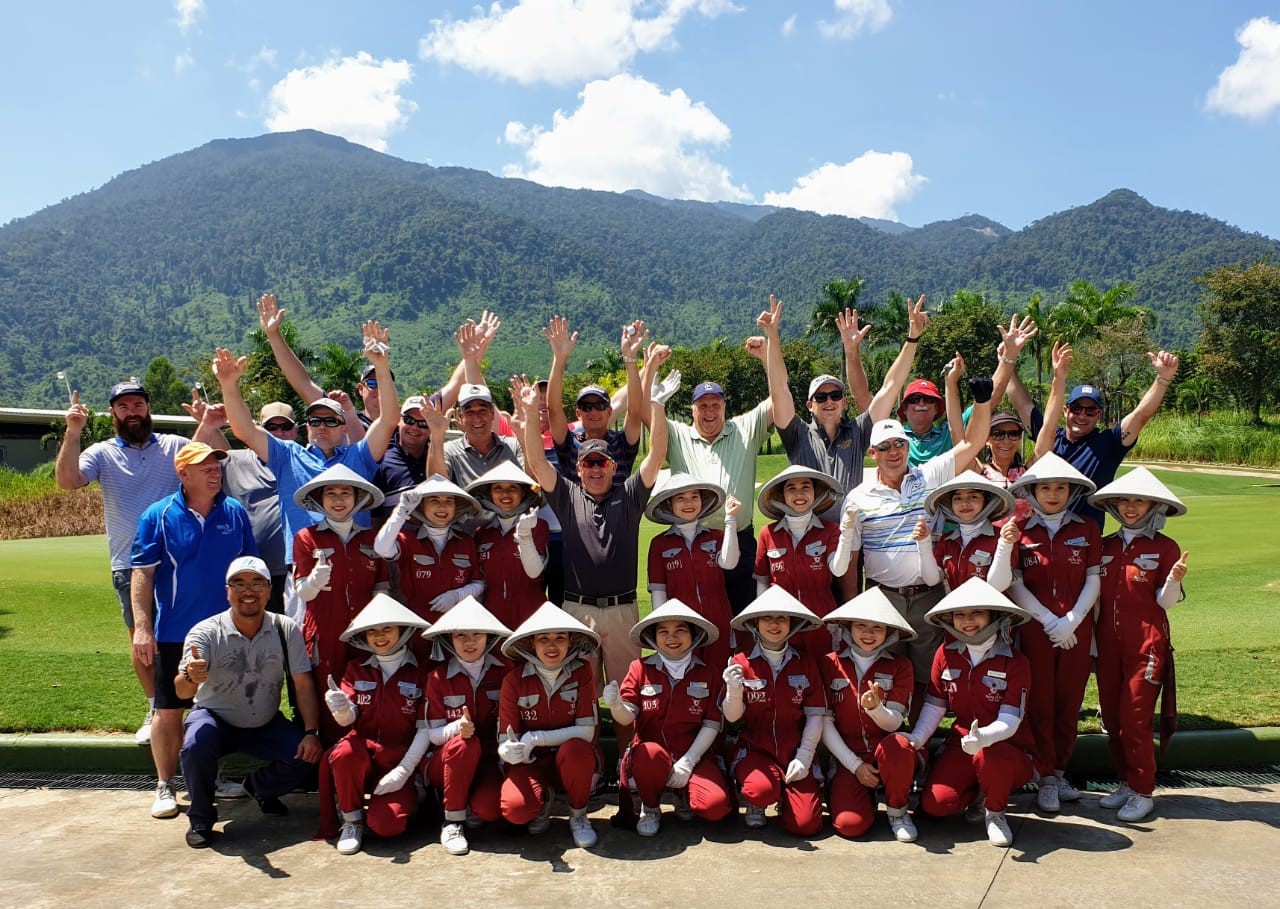 CGE Golf group
While climate is the primary consideration, other factors can influence the best time to play:
▪️ Thailand and Vietnam see high demand in December–January
▪️ Japan’s cherry blossom season (late March–early April) is popular
👉 Booking early is essential during these times.
▪️ Dry seasons generally mean firmer fairways and faster greens
▪️ Rainy seasons can lead to softer conditions and maintenance work
▪️ Peak season = higher prices and crowded courses
▪️ Shoulder and low seasons offer better deals
▪️ Japan and northern China have shorter winter days
▪️ Tropical countries maintain consistent daylight year-round
If you’re considering a golf trip to Vietnam, Thailand, Japan, or China, timing is just one piece of the puzzle.
We design end-to-end golf travel experiences, including:
▪️ Handpicked championship courses
▪️ Optimized itineraries based on seasonality
▪️ Tee time reservations
▪️ Local support on the ground
👉 Get in touch with CGE Golf to start planning your Asia golf trip—we’ll help you choose the perfect timing, destination, and experience based on your goals.
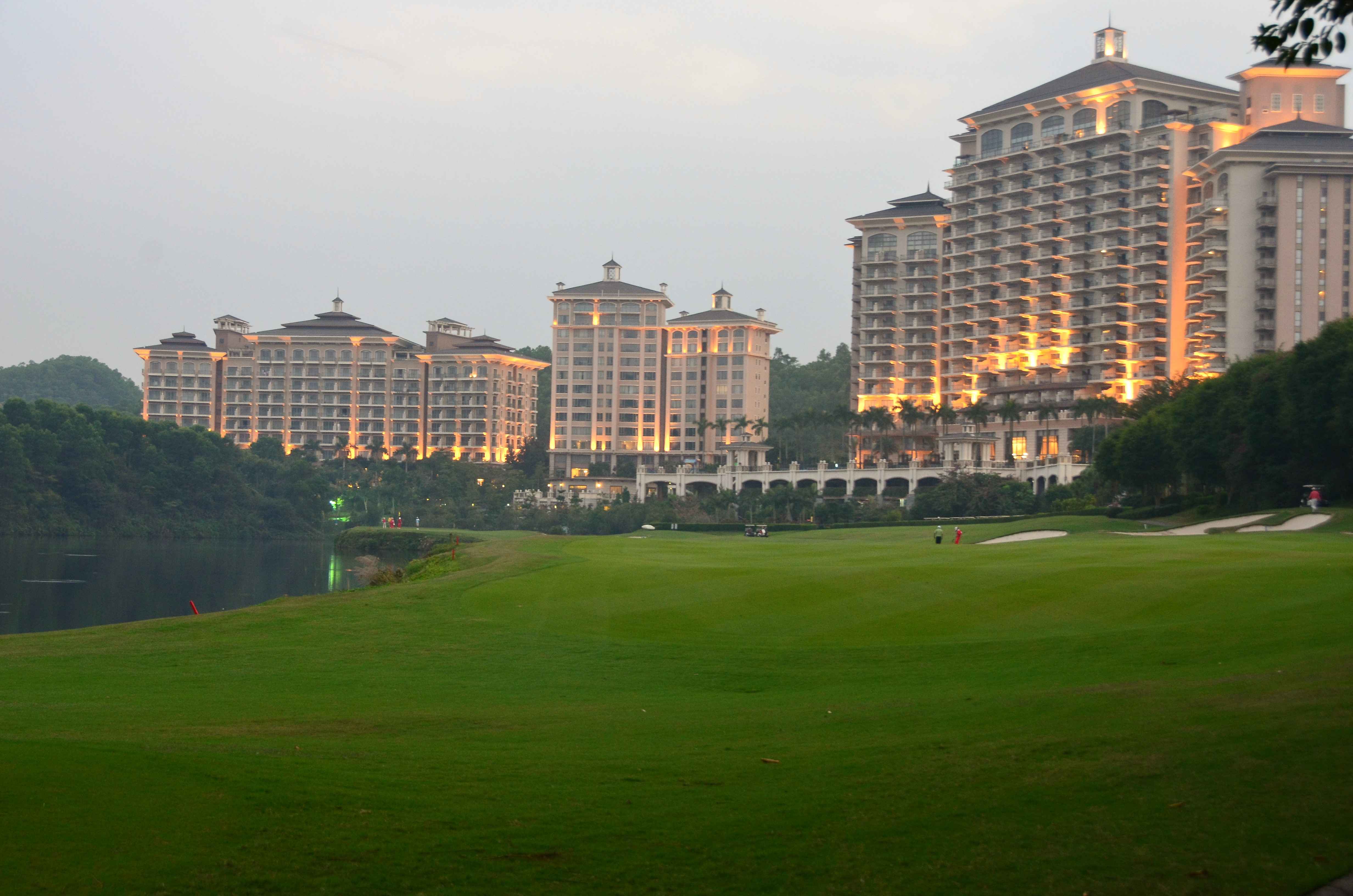 Mission Hills at night - @CGE Golf
Asia offers extraordinary golfing diversity, but timing is everything. Each country presents a unique climate rhythm that can either elevate or detract from your experience.
▪️ For ideal weather across multiple des kukurrutinations: Aim for November to February, especially if combining Thailand and Vietnam.
▪️ For scenic and premium experiences: Choose spring or autumn in Japan or China.
▪️ For budget travellers: Consider shoulder seasons or even rainy periods in Thailand and Vietnam for excellent value.
Ultimately, the best time to play golf in Asia depends on your priorities—whether you seek perfect weather, fewer crowds, or lower costs. With careful planning, you can enjoy some of the finest golf experiences in the world across China, Vietnam, Thailand, and Japan.
The CGE Golf App helps ensure you never miss a tee-off time or hotel check-in, giving you a seamless and smooth golf experience so you stay focused on your game!