


Download The App
The CGE Golf App helps ensure you never miss a tee-off time or hotel check-in, giving you a seamless and smooth golf experience so you stay focused on your game!


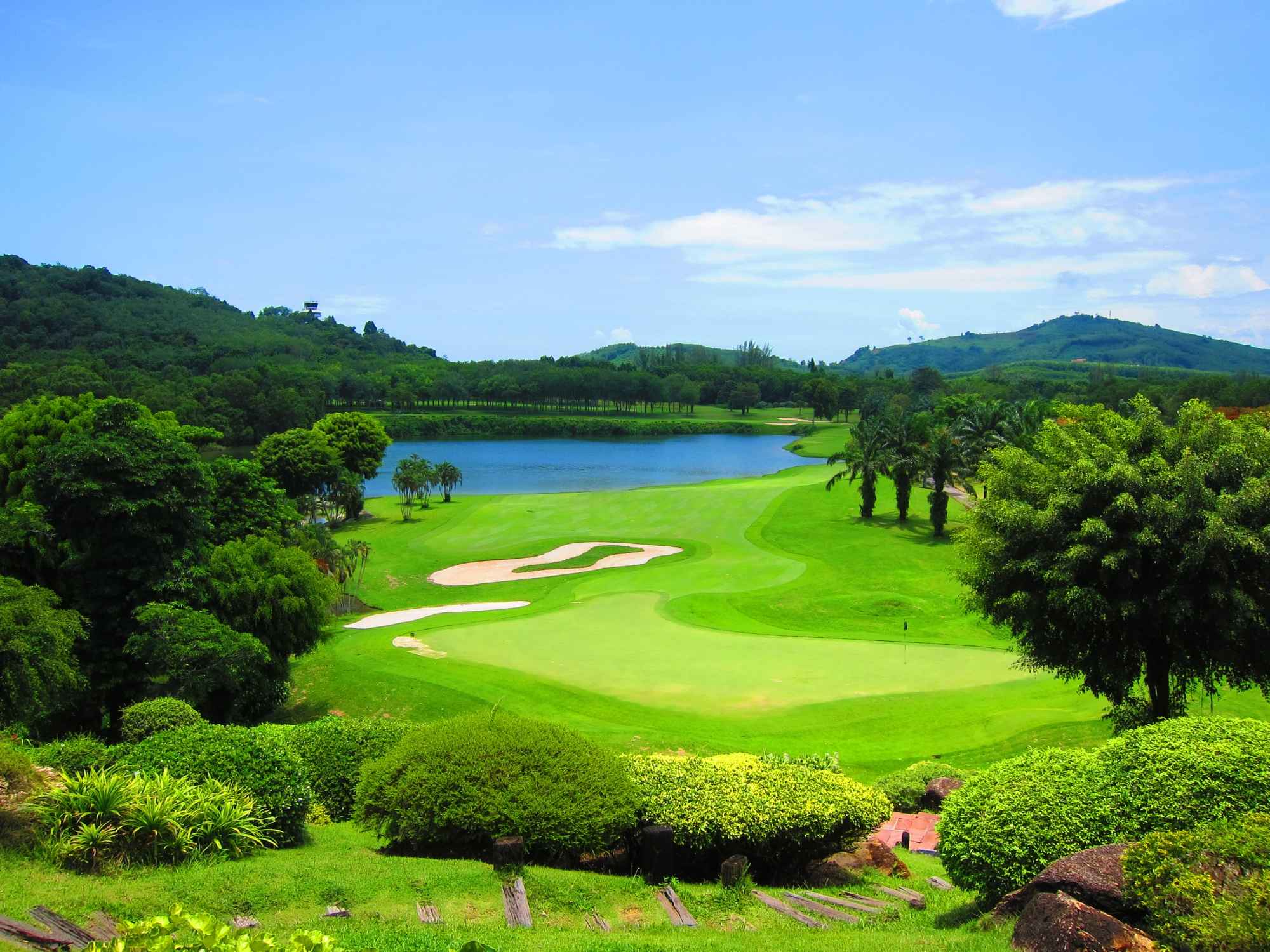
Asia’s golf landscape has evolved into a global powerhouse, blending dramatic natural typography with world-class course architecture. For discerning travelers coordinating their next itinerary, the continent offers an unparalleled mix of coastal links, mountain foothills, and culturally rich terrains that test every facet of a player's game.
Here is the definitive guide to the top five ultimate golf experiences across Asia for 2026, featuring verified architectural details, local insights, and high-density geographical highlights.
▪️ Destination: Da Nang, Vietnam
▪️ Architecture Pedigree: Greg Norman Golf Course Design
▪️ Signature Visual & Technical Feature: True seaside links with views of the Cham Islands
▪️ Destination: Chiang Mai, Thailand
▪️ Architecture Pedigree: Schmidt-Curley Design
▪️ Signature Visual & Technical Feature: Elevated mountain foothills with more than 100 traps
▪️ Destination: Nusa Dua, Bali
▪️ Architecture Pedigree: Nelson & Haworth
▪️ Signature Visual & Technical Feature: Terraced valley holes and a TPC Sawgrass-style island green
▪️ Destination: Sabah, Malaysia
▪️ Architecture Pedigree: Ted Parslow
▪️ Signature Visual & Technical Feature: Mangrove wetlands framed by Mount Kinabalu
▪️ Destination: Siem Reap, Cambodia
▪️ Architecture Pedigree: Phokeethra Dev. / Sofitel
▪️ Signature Visual & Technical Feature: Parkland layout incorporating a historic 11th-century bridge
 Angkor Golf Resort - © CGE Golf
Carved directly from a 150-hectare coastal dunescape, the Norman Course at BRG Da Nang Golf Resort is Southeast Asia’s premier example of traditional, true links-style architecture. Rather than relying on heavy earthmoving, Greg Norman integrated the region's natural sandy loam, wild seaside vegetation, and rugged waste areas to form firm, fast-running fairways that mirror the classic links of Scotland.
The layout intentionally lacks traditional, manicured resort hazards, forcing golfers to contend with deep swales, native sand dunes, and volatile offshore winds. On the front nine, the stunning inland vistas are framed beautifully by the jagged peaks of the historic Marble Mountains.
The undisputed showstopper is the par-3 16th hole. Playing from an elevated tee directly against the white sands of Ha My Beach, this short iron test presents an uninterrupted, panoramic view across the East Sea toward the pristine Cham Islands. Club selection here can change by up to three lengths depending on the shifting afternoon gusts.
Set in the refreshing, elevated foothills east of Thailand’s northern cultural capital, Chiang Mai Highlands features a magnificent 27-hole championship complex designed by the renowned team of Lee Schmidt and Brian Curley. The course layout is highly revered for its severe elevation shifts and a penal bunkering style that seamlessly incorporates more than 100 strategic sand traps framing the fast-rolling Paspalum fairways.
The land itself carries deep local history, built on a site historically chosen as a spiritual "power spot" near a hermitage founded by the revered monk Kuba Sivichai, who also established the famous Doi Suthep mountain temple.
The closing 18th hole is an extraordinary, risk-reward par-5 that plays dramatically downhill toward a massive scenic reservoir. A bold, precise drive down the right side opens up an opportunity to attack the green in two, though a narrow approach heavily guarded by deep sand bunkers and a steep water hazard punishes any slight miscalculation.
 Siam Bangkok Golf Club - © CGE Golf
Following a comprehensive, multi-million dollar master redesign by Nelson & Haworth, Bali National Golf Club stands as the crown jewel of Indonesian resort golf, located within the secure, upscale Nusa Dua tourism enclave. The track transitions through three distinct environments: a dense, jungle-like front nine flanked by native volcanic rock walls, moving into lush, manicured valley layouts, and culminating in coastal marshlands.
Observe how the architects utilized terraced elevation changes—reminiscent of Bali's iconic emerald rice paddies—to create distinct visual tiers that demand precise club selection.
The ultimate architectural crescendo occurs at the iconic par-3 17th hole. A direct, masterful tribute to the legendary 17th at TPC Sawgrass, it requires a nerve-testing mid-iron shot to a completely isolated island green surrounded entirely by the Nusa Dua tidal lagoons, making it one of the most photographed and feared holes in the region.
Nestled within the 400-acre tropical grounds of the Shangri-La Rasa Ria resort in Malaysian Borneo, Dalit Bay is a masterclass in wetland course architecture by designer Ted Parslow. The layout is intricately bordered by the Tambalang and Mengkabong rivers, requiring players to navigate an elegant but dangerous network of natural water hazards, dense mangrove forests, and native coastal wetlands.
👉 Expert Travel Note: The resort has transitioned its focus entirely to its pristine 64-acre nature reserve, preserving indigenous flora and local bird species. The old captive animal programs have been completely phased out in favor of eco-accreditations and sustainable sanctuary management.
The defining visual anchor of your round is the towering, mist-shrouded peak of Mount Kinabalu dominating the distant horizon. The ultimate technical test arrives at the signature 11th hole, a dramatic par-3 where players must carry their tee shot directly across the mouth of the tidal river into a prevailing headwind coming off the South China Sea.
For a round steeped in deep archaeological history, this championship layout sits just a short drive from the ancient UNESCO World Heritage site of Angkor Wat. The course reflects a classic lowland river design, with wide, sweeping fairways lined by mature palm trees and bisected by the meandering Roluos River network.
The club beautifully fuses modern tournament conditions with classic Khmer heritage. The undisputed architectural highlight occurs during the transition from the front to the back nine: a fully restored, 11th-century styled Khmer arched bridge spans the main water hazard, linking the 9th green directly to the 10th tee box. Walking across this ancient stone structure between holes offers an unforgettable moment where sport and ancient history collide.
 Laguna Golf Phuket in Thailand - @CGE Golf
Playing the elite fields of Asia is far more than a standard golf getaway—it is an immersive journey through diverse ecosystems, master-class design, and deep-rooted cultural heritage. Whether you are navigating the ocean winds of Vietnam's central coast or walking over historical landmarks in Cambodia, these courses demand respect, strategy, and precision.
At CGE Golf, we design bespoke, luxury golf itineraries that grant you exclusive access to Asia's most coveted tee times, 5-star accommodations, and flawless private transfers. Let our travel specialists handle every logistical detail of your next international golf tour.
Contact us directly at 0413736245 or email play@cgegolf.com.au to secure your luxury 2026 itinerary.
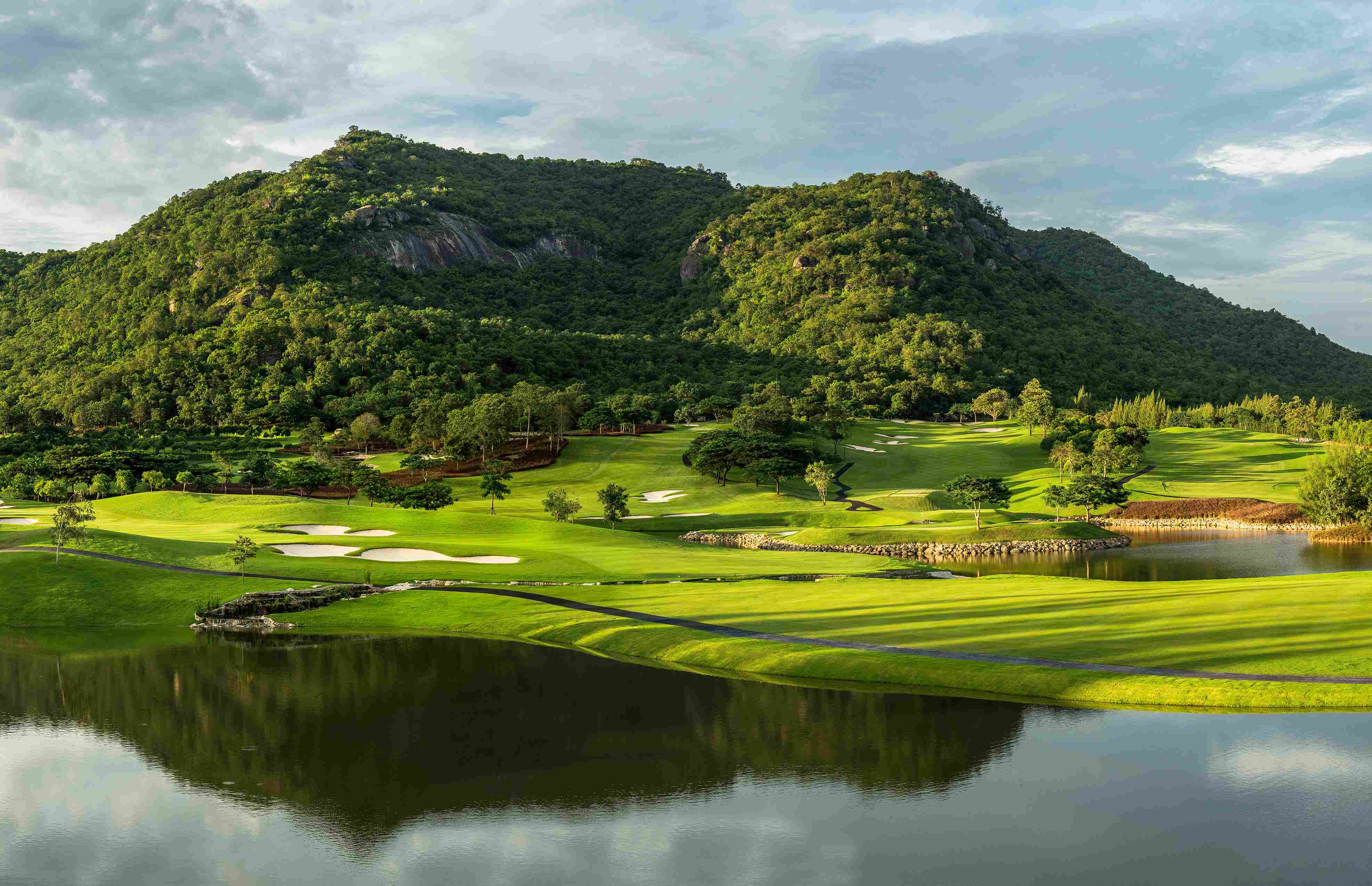 Black Mountain Golf Club in Hua Hin - @CGE Golf
What is the best time of year to embark on a golf tour through Southeast Asia?
The peak window for golfing in Vietnam, Thailand, and Cambodia is during the dry, cooler winter months from November to late March. During this time, humidity levels drop significantly and temperatures average a comfortable 26°C to 30°C, providing ideal conditions for 18-hole rounds.
Are caddies mandatory when playing premium courses in Asia?
Yes, at almost all luxury and championship golf courses across Southeast Asia (including Thailand, Vietnam, and Indonesia), individual caddies are mandatory for every player. They provide invaluable local knowledge on wind directions, green breaks, and course strategy.
The CGE Golf App helps ensure you never miss a tee-off time or hotel check-in, giving you a seamless and smooth golf experience so you stay focused on your game!